

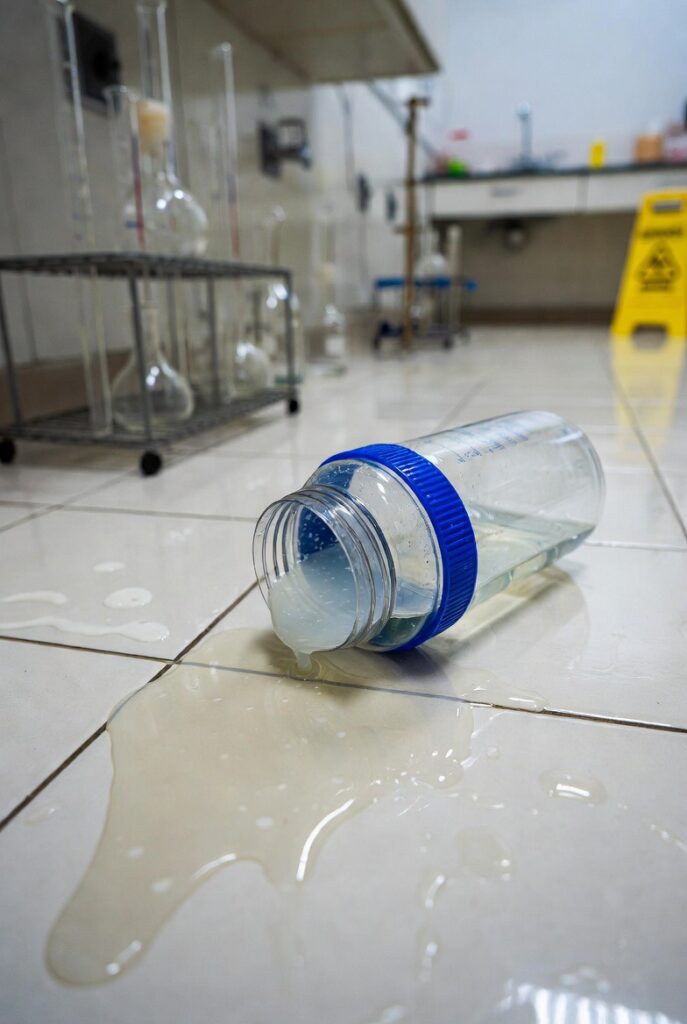
In facilities and operations across a wide range of industries, from universities, laboratories, manufacturing and chemical processing to pharmaceuticals, oil & gas, logistics and transportation, warehousing, mining, and utilities, chemical releases remain a real possibility despite preventive measures.

When a spill occurs, the outcome often depends on the speed, clarity, and composure of the initial response.

If your organisation would like to explore how a tailored, drill-focused program could align with your particular operations and hazards, we are ready to discuss what that might involve in your context.

Our bespoke programs focus on practical, operation-specific spill response drills built around the substances, processes, equipment, storage arrangements, and site layouts your organisation actually works with.

We avoid one-size-fits-all sessions and instead collaborate closely with your team to create realistic scenarios that mirror everyday conditions. Whether that involves a drum puncture during transfer, a pipeline leak in a processing area, a container failure in storage, a transport rollover, or a release near sensitive equipment or drainage points.
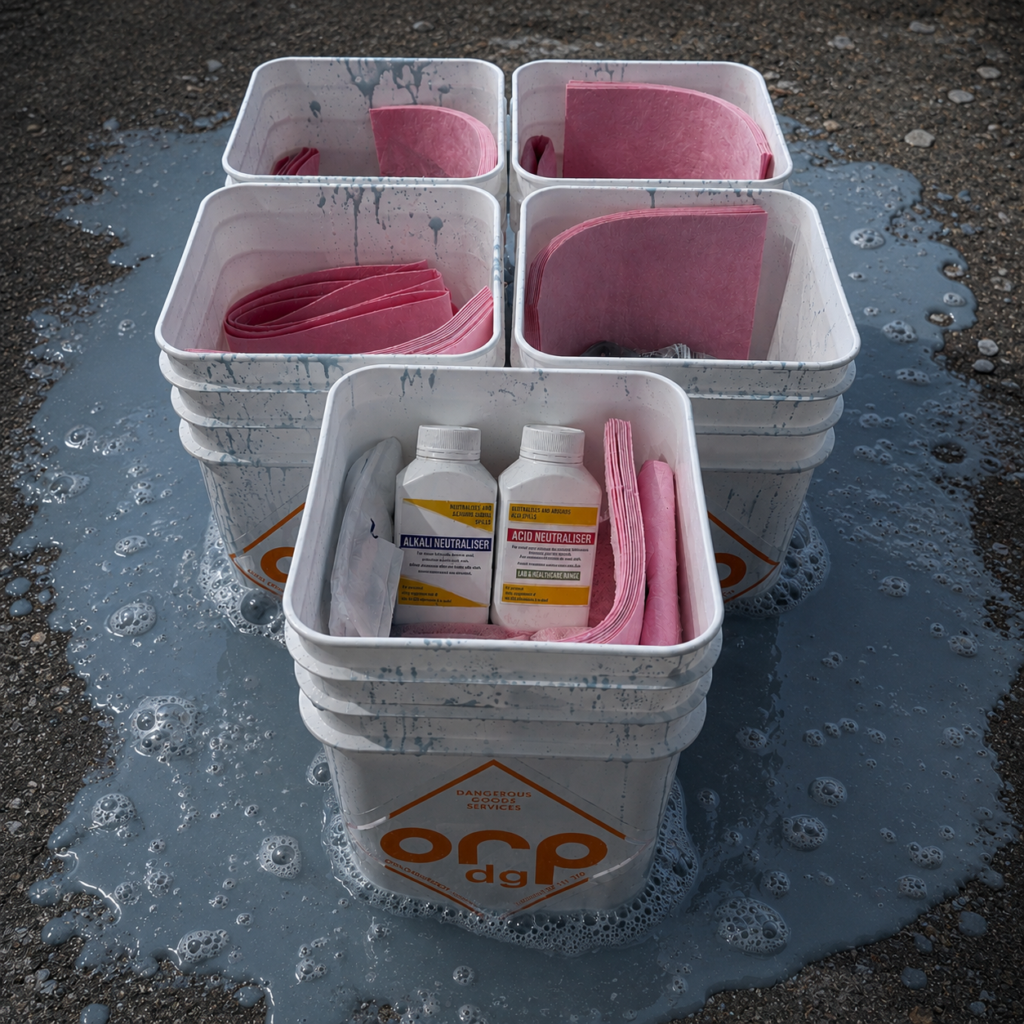
Drawing on extensive experience across university laboratories and diverse industrial settings, we incorporate lessons learned from real incidents and responses. The training emphasises straightforward, repeatable actions: safely evaluating the hazard, containing the release, safeguarding personnel and nearby areas, activating the appropriate notifications, and executing effective cleanup, or stabilisation until specialist teams arrive.

Repeated practice in context helps make these steps instinctive rather than reactive.

Each program starts with understanding your specific environment

The types and classes of chemicals routinely handled (acids, bases, flammables, toxics, corrosives, etc.)

Physical layout of laboratories, storage locations, loading docks, or processing areas

Available spill kits, absorbents, PPE, ventilation systems, and emergency shut-offs

Existing response plans, procedures, and any historical incidents or near-misses that have influenced them

We then design targeted drill exercises conducted in your own facilities, using your equipment and simulating your materials where necessary. This hands-on approach ensures the training feels directly applicable.

Follow-up debriefs highlight practical refinements; improved signage, faster kit access, clearer communication chains, or better decision points that strengthen preparedness without overcomplicating daily operations.

The aim is clear: give laboratory personnel, operators, technicians, maintenance staff, drivers, warehouse personnel, supervisors the practical confidence to manage an unexpected chemical release effectively.

This minimises immediate risks to health and safety, limits production downtime, protects assets and the environment, and supports compliance with regulatory requirements.