
Dangerous Goods Storage and Handling: your guide to compliance in Australia
If you’re running a warehouse, workshop, factory or any business that deals with chemicals, fuels, gases or other risky stuff, getting dangerous goods storage and handling right is non-negotiable.
One wrong move and you’re looking at fires, spills, injuries, environmental damage or big fines from the regulator. At ORP DG PRO, we’ve helped hundreds of Aussie businesses sort their hazardous chemical storage and keep things compliant without the headache. This guide breaks it down in plain English so you get an idea of what to do (and what not to do) under Australian rules.
What are Dangerous Goods (and why the rules matter)?
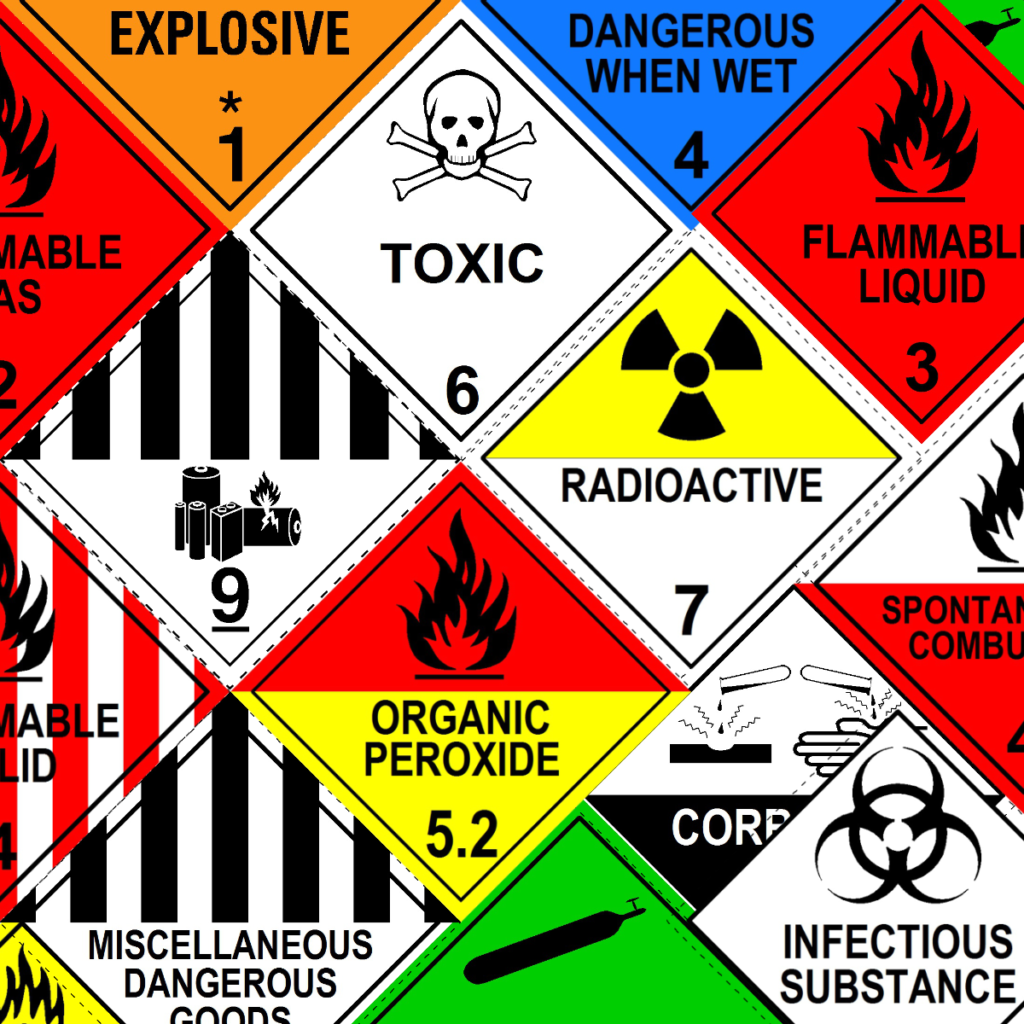
Dangerous goods are substances or articles that can pose a real risk to people, property or the environment. Think flammable liquids, toxic chemicals, corrosive acids or compressed gases. In Australia, and internationally, we classify them into nine classes based on their main hazard (explosives, gases, flammable liquids, etc.). You’ll often hear “dangerous goods” and “hazardous chemicals” used pretty much the same way these days.
The rules come from the national Work Health and Safety (WHS) Regulations plus state-specific laws, and guidance from standards like AS/NZS 3833 for mixed classes and AS 1940 for flammable liquids. The law puts the responsibility squarely on the person conducting the business or undertaking (PCBU) to keep everyone safe. Fail to do it properly and you can cop penalties, shutdowns or worse.
States tweak the details slightly; Queensland, NSW, Victoria and WA all have their own regulators, but the national WHS model covers most of it. Always double-check with your local WHS authority.
The 9 classes and their divisions of Dangerous Goods
- Class 1: Explosives
- Class 2: Gases
- Division 2.1: Flammable gases
- Division 2.2: Non-flammable, non-toxic gases
- Division 2.3: Toxic gases
- Class 3: Flammable liquids
(No divisions) - Class 4: Flammable solids; substances liable to spontaneous combustion; substances which, in contact with water, emit flammable gases
- Division 4.1: Flammable solids
- Division 4.2: Substances liable to spontaneous combustion
- Division 4.3: Substances which, in contact with water, emit flammable gases (water-reactive substances)
- Class 5: Oxidizing substances and organic peroxides
- Division 5.1: Oxidizing substances
- Division 5.2: Organic peroxides
- Class 6: Toxic and infectious substances
- Division 6.1: Toxic substances
- Division 6.2: Infectious substances
- Class 7: Radioactive material
(No divisions; categorised by categories I, II, III based on transport index and surface radiation levels) - Class 8: Corrosive substances
(No divisions) - Class 9: Miscellaneous dangerous substances and articles, including environmentally hazardous substances (No divisions; includes items like lithium batteries, dry ice, etc.)
Knowing the class is step one for deciding how to store and handle them safely.
Dangerous Goods Storage Requirements. What you must get right.
Safe storage isn’t just about shoving things on a shelf. Here’s what the law and standards expect:
Use the right containers: they must be in good nick, compatible with the chemical, and properly labelled. For most stuff the container can’t be bigger than 500 kg or 500 L unless it’s a proper IBC or bulk tank.
Segregate incompatible goods: never store stuff that can react together (acids next to bases, oxidisers next to flammables). AS/NZS 3833 gives clear segregation tables – follow them or you’re asking for trouble.
Bunding and spill containment: any liquid storage needs bunding that can hold at least 110% of the biggest container (or 25% of the total volume, whichever is bigger). This stops spills heading down the drain, into waterways, or into the soil.
Ventilation, fire protection and signage: good airflow, fire extinguishers rated for the class, and clear danger signs. If you’re over “placard quantities” you need proper signage on the building and containers.
Manifest and emergency plan: store more than the trigger amounts for Manifest Quantity? You must keep a manifest (list of what you’ve got and where) and a written emergency plan that emergency services can grab quickly.
Indoor vs outdoor and bulk storage: bulk tanks need extra securing, earthing (for flammables) and regular inspections. Underground tanks that are no longer used must be emptied and removed.
Safe Handling Procedures
Keep your Team out of harm’s way. Storage is only half the story. Handling is where most incidents happen. Train everyone who is involved with the chemicals (we run simple, practical, bespoke dangerous goods training courses that actually stick).
- Use the right PPE; gloves, goggles, respirators, overalls.
- Follow written procedures for decanting, transferring or moving goods.
- Have spill kits ready and know how to use them (we also run spill drill training sessions, bespoke for your organisation).
- Never eat, drink or smoke near chemicals.
- Always work from the current Safety Data Sheet (SDS), it’s your bible for each product.
Risk Assessment, the step many skip. “She’ll be alright”……don’t be one of them. Before you store or handle anything new:
- Identify the hazards (read the SDS and label).
- Assess the risks (how much, how often, who’s exposed).
- Control the risks (eliminate → substitute → isolate → engineering → admin → PPE).
- Review it regularly or after any incident.
Common mistakes that cost businesses big time
- Storing acids and bases together (boom – toxic gas).
- No bunding or bunding that’s full of rainwater.
- Out-of-date SDS or missing labels.
- Storing more than allowed without a manifest, register or signage.
- Letting untrained staff handle chemicals.
Why get professional Help with Dangerous Goods Storage and Handling?
Doing it yourself can work for tiny setups, but most businesses benefit from an expert eye. ORP DG PRO offers straightforward hazardous chemical consulting that covers:
- Storage assessments and compliance audits
- Custom storage layout plans
- Training (online or on-site, including spill response)
- Packing and documentation for transport
- Supply of proper labels, placards and safety gear through our shop
We keep it simple, no jargon, and make sure you meet every rule without spending more than you need to.
Ready to Get Your Dangerous Goods Storage Sorted?
Don’t wait for an inspector or an incident to bite you. Give the team at ORP DG Pro a call or drop us a message today. We’ll sort a quick review of your site and give you clear, practical steps to stay safe and compliant. Contact ORP DG PRO for dangerous goods storage assessments, training or consulting anywhere in Australia. Brisbane-based but we help businesses nationwide.
Stay safe out there – proper storage and handling isn’t hard when you know how.
Disclaimer
This guide provides general information about dangerous goods storage and handling requirements in Australia based on the model Work Health and Safety (WHS) Regulations, relevant Australian Standards (such as AS 1940 and AS/NZS 3833), and common industry practice. It is not intended to be a complete statement of the law, nor does it constitute professional advice tailored to your specific business, site, substances or location. Dangerous goods and hazardous chemicals legislation can vary between states and territories, and requirements may change over time. Specific obligations (including manifest quantities, licensing, placarding, notification and emergency planning) depend on the types, quantities and combination of materials you store or handle. ORP DG PRO recommends that you:
- Always refer to the current Safety Data Sheets (SDS) for your products
- Consult the WHS regulator in your state or territory (e.g. Workplace Health and Safety Queensland, SafeWork NSW, WorkSafe Victoria)
- Seek independent legal or specialist advice for your circumstances
ORP DG PRO accepts no liability for any loss, damage, cost or expense (whether direct or indirect) arising from the use of, or reliance on, information in this guide. For site-specific compliance support, contact ORP DG PRO directly to arrange a professional assessment or consultation.