Why Training is Essential for Dangerous Goods Airfreight
At ORP DG PRO, we help businesses handle shipping and logistics safely and legally. One key area is dangerous goods (also called hazardous materials) sent by air. Training is not optional — it is a must for safety, legal compliance, and smooth operations.
What are Dangerous Goods in Airfreight?
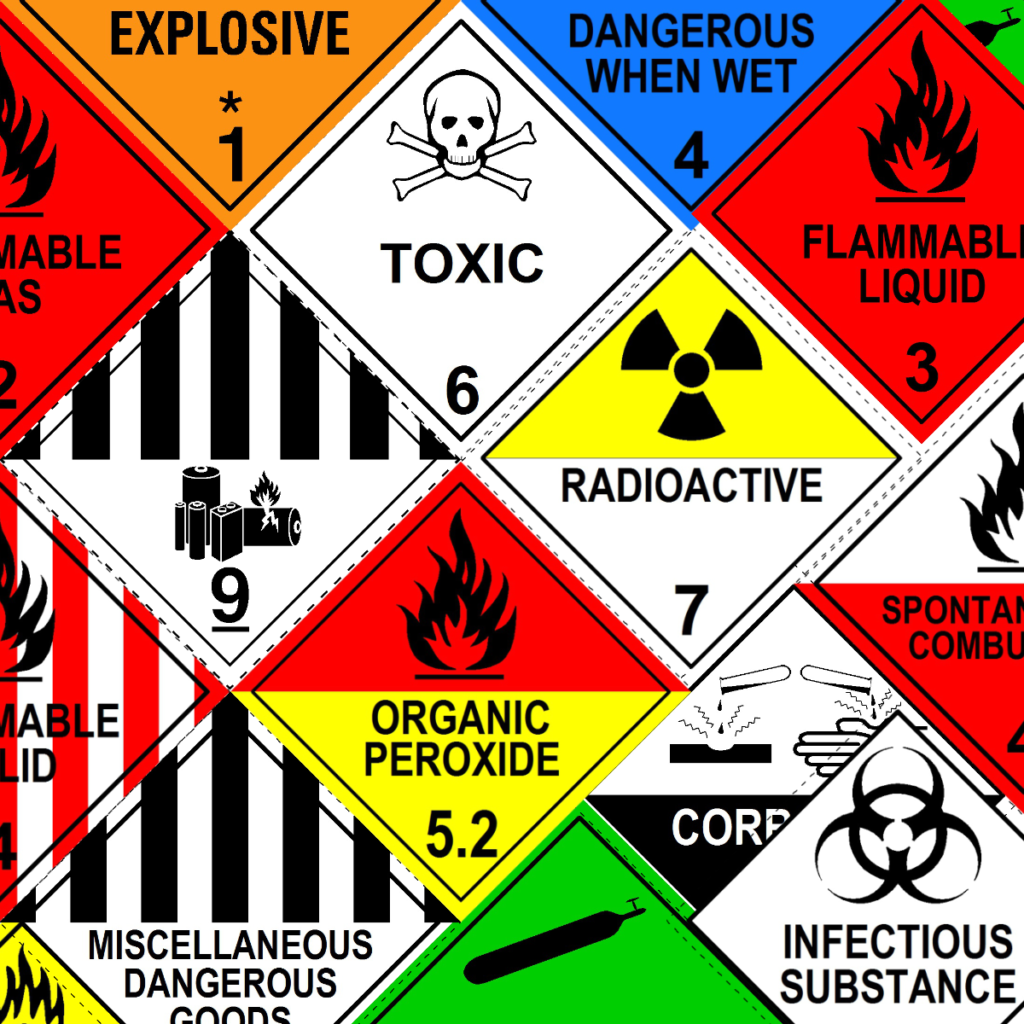
Dangerous goods include items that can pose risks during flight. Examples are:
- Flammable liquids (like paints or fuels)
- Batteries (especially lithium batteries)
- Chemicals and gases
- Explosives or radioactive materials
- Toxic or infectious substances
- Corrosive substances
These items travel by air every day, but they need special care because air transport has unique risks like pressure changes, turbulence, and limited access in emergencies.
Why Is Training Required?
Air travel is one of the safest ways to move goods, but accidents involving dangerous goods can be serious. Training helps prevent incidents and ensures everyone knows what to do. Here are the main reasons training is needed:
- Safety Comes First
Proper training teaches staff to identify hazards, pack items correctly, label them, and handle emergencies. This reduces the chance of leaks, fires, explosions, or exposure that could harm people, aircraft, or the environment. - It Is the Law
In Australia, the Civil Aviation Safety Authority (CASA) requires training for anyone involved in handling or shipping dangerous goods by air.
Internationally, the International Air Transport Association (IATA) Dangerous Goods Regulations (DGR) set the standards that most airlines follow.
These rules come from the International Civil Aviation Organization (ICAO) and apply to both domestic and international flights. - Avoid Fines and Delays
Without proper training, shipments can be rejected by airlines. This causes delays, extra costs, or penalties. Trained staff prepare shipments correctly the first time, saving time and money. - Everyone Has a Role
Training applies to many people, such as:- Shippers and packers who prepare the goods
- Freight forwarders and agents who process bookings
- Staff who accept or handle cargo
- Load planners and airline crew
- Even if you only handle “general cargo” sometimes, basic awareness training may be needed to spot hidden risks.
What Does the Dangerous Goods Training Cover?
Approved courses (often IATA-recognised and CASA-approved) teach:
- How to classify dangerous goods
- Correct packing and packaging rules
- Marking, labelling, and documentation (like the Shipper’s Declaration)
- Loading and handling restrictions
- Emergency procedures
Courses usually start with an initial (full) course, followed by refresher training every 2 years to stay up to date with rule changes.
Dangerous Goods Airfreight Training, who needs to complete this?
If your job involves any part of preparing, accepting, handling, or transporting dangerous goods by air, you need approved training. This includes staff at:
- Shipping companies
- Freight forwarders
- Airlines and ground handlers
- Warehouses or logistics providers
CASA groups roles (like Group A for full acceptance or Group B for non-dangerous cargo) and requires specific courses for each.
Final Thoughts
Dangerous goods airfreight moves important items worldwide, but safety depends on trained people. Skipping training puts lives at risk, breaks the law, and can damage your business.
At ORP DG PRO, we guide clients on compliance, including finding the right training providers and meeting CASA/IATA standards. Investing in training protects your team, your cargo, and your reputation.
Need help with dangerous goods compliance or training advice? Contact us at ORP DG PRO, we’re here to support safe and legal airfreight operations.